Herbal Foot Bath Additions for Sensory Comfort
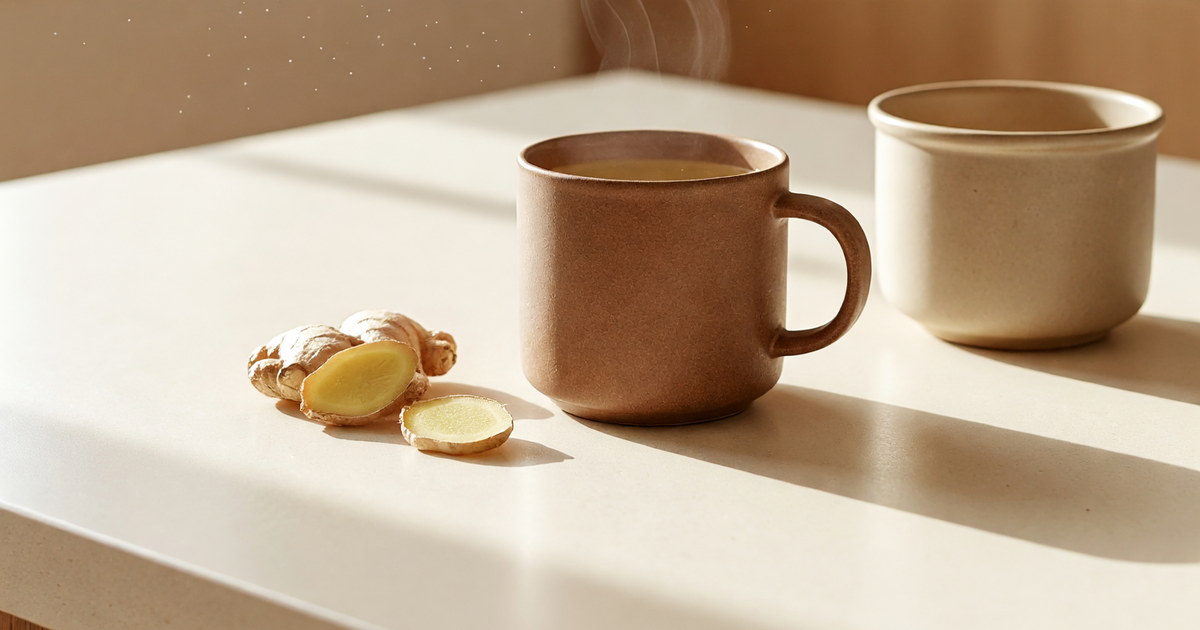
Adding herbs, salts, or essential oils to a foot bath can make the experience more enjoyable - not because they treat anything, but because they add scent, warmth, and sensory interest.
This article covers a few simple herbal additions for sensory comfort, with clear safety notes on who should avoid them.
Important Safety Warning
Herbs and essential oils can cause allergic reactions, skin irritation, or interact with medications. Always do a patch test before using a new herb or oil on your skin. If you are pregnant, take medication, have sensitive skin, allergies, asthma, or a medical condition, consult a qualified healthcare professional before using any herbal foot bath. See full safety notes.
Before You Start
- Do a patch test: Apply a small amount of the herb or diluted oil to your inner arm. Wait 24 hours. If there's any reaction, don't use it.
- Essential oils must always be diluted in a carrier oil (jojoba, almond, or olive oil) before adding to water.
- Never add essential oils directly to foot bath water - they can burn or irritate your skin.
- If you have allergies, read ingredient labels carefully.
- If something stings, burns, or itches, remove your feet from the water immediately.
1. Chamomile & Lavender - For a Calming Scent
Both chamomile and lavender are widely used for their gentle, floral scents - not as sleep aids, but as sensory comfort.
How to use: Steep 2 tbsp dried chamomile flowers and 1 tbsp dried lavender in 1 cup of hot water for 10 minutes. Strain into your foot bath. Swish to combine.
2. Ginger & Clove - For a Warm, Spicy Scent
Ginger and clove have naturally warming, spicy aromas that many people find comforting in cold weather.
How to use: Simmer 4-5 thin slices of fresh ginger and 2 whole cloves in 2 cups of water for 10 minutes. Strain into your foot bath. Test temperature before soaking.
3. Eucalyptus & Peppermint - For a Cool, Fresh Scent
These essential oils have a distinctive, cooling aroma. Some people find them refreshing, especially on tired feet.
How to use: Mix 2-3 drops eucalyptus oil and 2-3 drops peppermint oil with 1 tbsp carrier oil first. Then add to your foot bath. Never add directly to water.
4. The Plain Water Option
All of the above are optional. A plain warm water foot bath - no herbs, no oils, no salts - is already a perfectly good self-care practice. Don't feel like you need to add anything.
Who Should Be Extra Cautious
- Pregnant women: Some herbs and essential oils are not recommended during pregnancy. Consult your healthcare provider before using any herbal foot bath.
- People with allergies: Test each herb individually. Some herbs (like chamomile, which is in the ragweed family) can trigger allergic reactions in sensitive individuals.
- People with sensitive skin: Start with half the suggested amount. Less is more.
- People with asthma: Strong scents from essential oils can trigger breathing difficulties in some people.
References and Further Reading
- NIH National Center for Complementary and Integrative Health: Traditional Chinese Medicine - general overview and safety considerations.
- World Health Organization: Traditional, Complementary and Integrative Medicine - international context for traditional health practices.
- WHO benchmarks for the practice of acupuncture - professional safety context; this site discusses only gentle self-care acupressure, not acupuncture.
- Traditional Chinese Medicine textbook background: Chinese Internal Medicine, Chinese Acupuncture and Moxibustion, and Chinese food therapy teaching materials.
Start With the Free Guide
Get the free 7-Day Chinese Self-Care Starter Guide by email first. When you want more structure, the full PDF guide goes deeper with food therapy recipes, foot bath routines, gentle acupressure, and safety notes.