Chinese Foot Bath Basics: A Safe Beginner's Guide
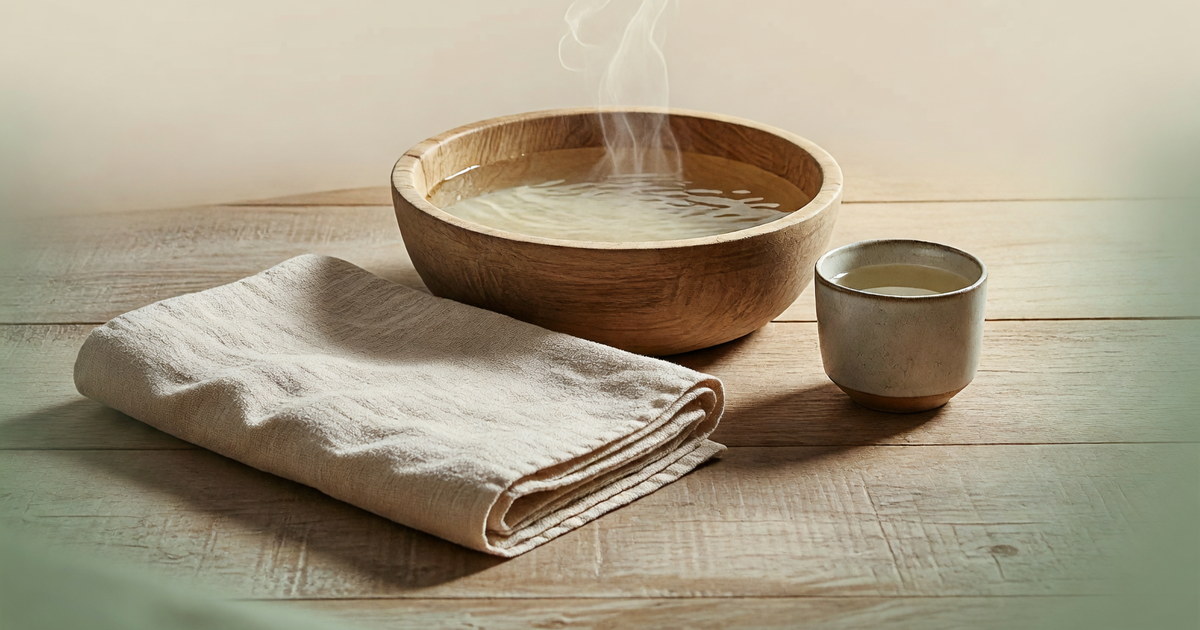
A foot bath is one of the simplest, most accessible Chinese wellness practices. You need nothing more than a basin, warm water, and a few quiet minutes. It's an evening ritual that many people find deeply relaxing - a way to pause, warm up, and transition from the busyness of the day to a restful night.
But like any practice involving heat and water, foot baths come with real safety considerations. This guide walks you through everything a beginner needs to know - water temperature, timing, who should avoid foot baths, and a simple step-by-step routine.
Read This First
Foot baths are not suitable for everyone. Do not use foot baths without first consulting a qualified healthcare professional if you have diabetes, circulation problems, neuropathy, open wounds, heart disease, are pregnant, take medication, or have any serious medical condition. See full safety notes.
What a Chinese Foot Bath Is
In Chinese wellness tradition, a foot bath (pao jiao) is simply soaking the feet in warm water - usually in the evening - as a relaxation practice. It's not a medical procedure, not a "detox," and not a cure for any condition. The warmth of the water helps you feel more comfortable, relaxed, and ready for rest.
Sometimes people add things to the water - a slice of fresh ginger or a small amount of Epsom salt - but these are optional additions for sensory comfort, not therapeutic interventions. The core practice is simply: warm water, feet in, relax.
Who Might Enjoy Foot Baths
- Generally healthy adults looking for a calming evening routine.
- People who spend long hours on their feet and want a relaxing end-of-day practice.
- Anyone who finds warm water comforting and enjoys quiet self-care moments.
Who Should Not Use Foot Baths (Without Professional Clearance)
- People with diabetes - reduced sensation in the feet raises the risk of burns, and slower healing increases infection risk from even minor skin issues.
- People with peripheral neuropathy - you may not feel if the water is too hot.
- People with circulation problems, including peripheral artery disease.
- Anyone with open wounds, sores, blisters, infections, or skin conditions on the feet or lower legs.
- People with heart disease or uncontrolled high blood pressure.
- Those with a history of deep vein thrombosis (DVT) or blood clots.
- Pregnant women - consult your healthcare provider first.
The Four Safety Rules
- Test water temperature with your hand, not your foot. Your hand is more sensitive to heat. If it feels too hot for your hand, it's too hot for your feet - even if your feet feel fine.
- Keep water comfortably warm, never hot. Aim for roughly 38-40°C (100-104°F). This is warm bathwater temperature - pleasant, not scalding. If you don't have a thermometer, the water should feel comfortably warm to your wrist, not hot.
- Limit soaking to 15-20 minutes. Longer is not better. Prolonged soaking can dry out your skin and may increase the risk of irritation.
- Never leave someone with reduced sensation or cognitive impairment unattended. If you're helping a family member, stay with them and test the water yourself first.
A Simple Evening Foot Bath Routine
- Get your supplies ready. You'll need a clean basin or foot spa large enough for both feet, a towel, and a comfortable chair. Have a glass of room-temperature water nearby - staying hydrated is a good habit.
- Fill the basin with comfortably warm water. Test the temperature with your wrist or hand - it should feel pleasantly warm, never hot. The water should cover your ankles. If you have a thermometer, aim for 38-40°C (100-104°F).
- Set a timer for 15 minutes. This is long enough to feel relaxing, short enough to avoid skin irritation. Place the timer where you can see or hear it - don't rely on guessing.
- Sit comfortably and soak. Find a stable, comfortable seated position. Place your feet in the water gently. Close your eyes if you like. Breathe slowly. There's nothing to "do" - just rest.
- Dry thoroughly. When the timer goes off, lift your feet out, pat them completely dry with a clean towel - especially between the toes. Moisture left between toes can lead to skin irritation or fungal issues.
- Moisturize if you like. Applying a gentle, unscented moisturizer to your feet after drying can help keep skin comfortable. This is optional - do what feels right for your skin.
- Put on clean, dry socks. This keeps your feet warm after the soak and protects them as you move around.
When to Do It
Evenings work particularly well - about 30-60 minutes before you plan to go to bed. This gives your body temperature time to normalize after the warm soak, which can help with the natural transition to sleep. It's fine to do a foot bath earlier in the day; just pay attention to what timing feels right for you.
How often? For most people, 2-3 times per week is enough. A daily foot bath is generally fine if your skin tolerates it well, but it's not necessary and not "better."
Signs to Stop Immediately
- Your skin turns red, irritated, or develops a rash.
- You feel dizzy, lightheaded, or nauseous.
- Any pain, burning sensation, or discomfort.
- Excessive sweating or feeling overheated.
If you experience any of these, remove your feet from the water, dry them, rest, and drink some water. If symptoms persist, seek medical attention.
References and Further Reading
- NIH National Center for Complementary and Integrative Health: Traditional Chinese Medicine - general overview and safety considerations.
- World Health Organization: Traditional, Complementary and Integrative Medicine - international context for traditional health practices.
- WHO benchmarks for the practice of acupuncture - professional safety context; this site discusses only gentle self-care acupressure, not acupuncture.
- Traditional Chinese Medicine textbook background: Chinese Internal Medicine, Chinese Acupuncture and Moxibustion, and Chinese food therapy teaching materials.
Start With the Free Guide
Get the free 7-Day Chinese Self-Care Starter Guide by email first. When you want more structure, the full PDF guide goes deeper with food therapy recipes, foot bath routines, gentle acupressure, and safety notes.